
Behavior Contract

Behavior contracts are effective tools used by parents, teachers, and caregivers to help children understand and manage their behavior. These contracts serve as formal agreements that outline specific expectations, responsibilities, and consequences related to a child’s behavior. By clearly defining what is expected, behavior contracts can promote accountability and encourage positive actions.

What is a Behavior Contract?

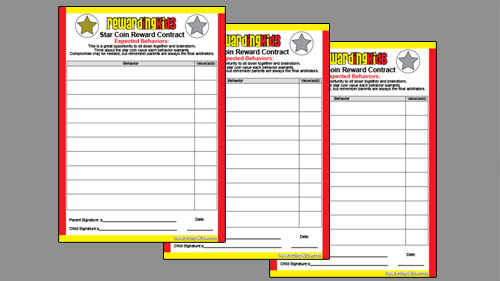
A behavior contract is a written document that details the behaviors a child is expected to exhibit, the rewards for meeting those expectations, and the consequences for failing to do so. Typically, these contracts are created collaboratively between the adult and the child, ensuring that the child feels involved in the process. This collaboration can enhance the child’s commitment to the agreement.

Components of a Behavior Contract

  1. Clear Expectations: The contract should specify the behaviors that are desired. For example, a child might agree to complete homework on time, follow classroom rules, or treat peers with respect. Clarity is crucial; vague terms can lead to misunderstandings.
  2. Rewards: Positive reinforcement is a key aspect of behavior contracts. The contract should outline the rewards the child will receive for meeting their behavioral goals. Rewards can range from small treats to privileges like extra screen time or a special outing.
  3. Consequences: It’s equally important to define the consequences for not adhering to the contract. These should be fair and consistent, helping the child understand that actions have repercussions. For instance, if a child fails to complete their homework, they might lose a privilege for that week.
  4. Duration: Behavior contracts can be temporary or ongoing. Setting a specific timeframe for the contract can help the child focus on their goals and provide a sense of accomplishment when the contract is successfully completed.
  5. Review and Adjust: Regularly reviewing the contract allows for adjustments based on the child’s progress. This can help maintain motivation and ensure that the goals remain relevant and achievable.

Benefits of Behavior Contracts

Behavior contracts offer numerous benefits. They provide structure and clarity, helping children understand what is expected of them. By involving children in the creation of the contract, they are more likely to take ownership of their behavior. Additionally, the use of rewards can motivate children to strive for positive behavior, reinforcing good habits.

Incorporating behavior contracts into parenting or teaching strategies can be a powerful way to guide children toward better behavior. By clearly outlining expectations, rewards, and consequences, these contracts foster accountability and encourage children to make positive choices. When implemented thoughtfully, behavior contracts can lead to improved behavior and a more harmonious environment for both children and adults.

Related Posts

The Effectiveness of a Behavior Contract

A behavior contract can play a very effective role in any reward plan (along with reward charts and a token economy). They […]

Using a Behavior Contract to Reduce Arguments

Used correctly a behavior contract acts as a "record" of what both parent and child have agreed to. If your child says […]