When child behavior experts speak about changing behavior, often they lapse into a philosophical discussion about modifying behavior. At times these discussions, while valuable, can become generalizations about behavior change, rather than discussing the specifics about individualized tools to change behavior.
Many parents that I speak with "get" why behavior modification is important, they understand many of the principles involved, they recognize that there are healthy as well as unhealthy ways to go about it, and they can see how positive behavior change can benefit their children and themselves.
Sometimes when parents are searching for a solution for their child's bad or inappropriate behavior they can get so caught up in the various arguments and counterarguments about parenting methods, techniques and tips that you can almost hear them crying out:
"I just want to know what tools are out there to help me change my child's behavior?"
Any information and knowledge that can make you a better parent is fantastic, but sometimes parents have heard enough and just want a tangible product or tools for behavior change, that they can start using right away.
The tools and strategies for behavior change that I have used successfully with my children include reward charts, behavior contracts, token economy, sticker charts, lucky dip rewards, and "I Did It!" certificates. While I sell some of these fantastic ready-to-go products here, with a bit of creativity, materials and effort you can make your own easily enough. Or you can get some of our great free reward charts here.
You can check out the articles below for further ideas on tools to change behavior.
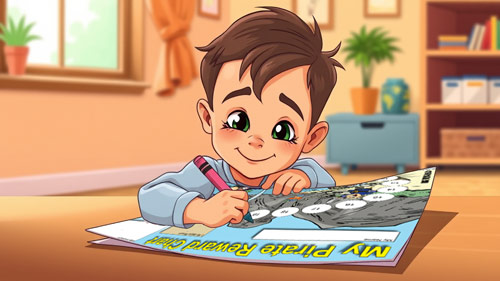
Reward charts for kids are visual tools designed to encourage positive behavior and reinforce good habits through a structured system of rewards. By outlining specific goals—such as completing chores, practicing kindness, or finishing homework—these charts provide clear expectations for children. As kids achieve their targets, they can mark their progress, fostering a sense of accomplishment and motivation. Customizable to fit individual interests, reward charts not only promote positive reinforcement but also strengthen the parent-child relationship by creating a supportive and engaging environment for growth and learning.

A token economy system for kids is a behavioral management approach that uses tokens—such as stickers, points, or other tangible items—as rewards for exhibiting positive behaviors. Children earn tokens by completing tasks, following rules, or demonstrating good conduct, which they can later exchange for desirable rewards like privileges, treats, or special activities. This system not only motivates children to engage in constructive behaviors but also teaches them valuable lessons about responsibility, goal-setting, and the connection between actions and consequences.
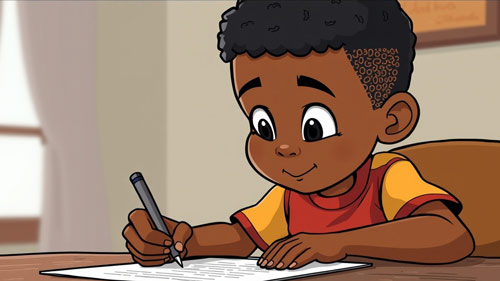
A behavior contract for kids is a structured agreement between a child and an adult that outlines specific expectations for behavior, along with associated rewards for positive actions and consequences for negative ones. This collaborative tool helps children understand and take responsibility for their actions, promoting accountability and encouraging positive behavior. By clearly defining goals and providing incentives, behavior contracts foster a supportive environment where children can thrive and develop essential social skills.
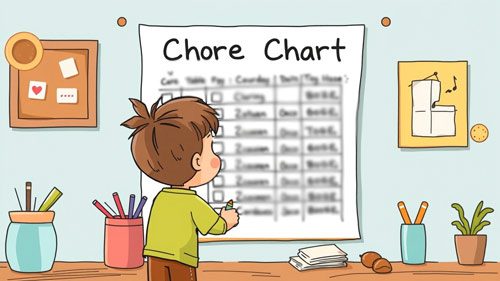
Kids chore charts are visual tools designed to help children learn responsibility and develop essential life skills by tracking their daily and weekly tasks. These charts outline specific chores, such as making their beds, tidying their rooms, or helping with household duties, tailored to each child's age and abilities. By providing a clear list of responsibilities, chore charts promote independence and time management while also encouraging teamwork within the family. Overall, chore charts foster a sense of accomplishment and contribute to a positive home environment.