A token economy is a behavioral management system that uses tokens as a form of reinforcement to encourage positive behavior in children. This approach is particularly effective in educational settings and at home, helping children learn self-discipline, responsibility, and the value of delayed gratification. By understanding how a token economy works, parents and educators can create a structured environment that promotes good behavior and enhances learning.
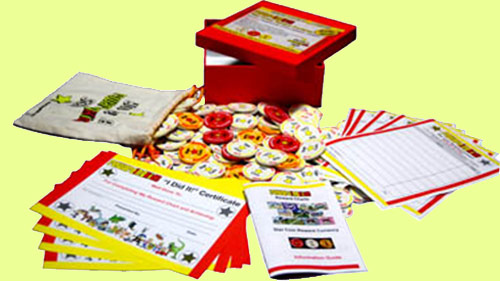
At its core, a token economy involves the use of tokens—these can be stickers, points, or any other tangible item—that children earn for exhibiting desired behaviors. The tokens can later be exchanged for rewards, such as privileges, treats, or special activities. This system not only motivates children to behave appropriately but also teaches them about goal-setting and the consequences of their actions.
The token economy system offers numerous benefits. It provides immediate feedback, making it easier for children to connect their behavior with rewards. It also fosters a sense of achievement and responsibility, as children learn to work towards their goals. Additionally, this system can help reduce negative behaviors by focusing on positive reinforcement rather than punishment.
In conclusion, a token economy can be a powerful tool for parents and educators looking to promote positive behavior in children. By implementing this structured approach, you can create an engaging environment that encourages children to thrive both academically and socially.