
Timeout For Children
January 24, 2010 by
Filed under Behavior Modification Techniques
It seems that the use of timeout for disciplining children has become an “in vogue” parenting method, particularly over the last five to ten years. Actually I believe that the timeout method has been with us for much, much longer. I can certainly remember as a child, my parents telling me to “go to your room”, and my parents have told me of their suffering the same fate at the hands of my grandparents. I think it’s quite possible that similar methods of disciple may go back many generations.
What is Timeout?
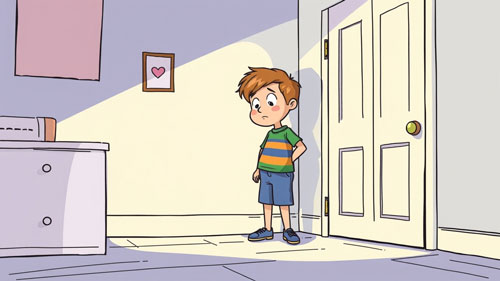
At its basic, timeout is when we remove children from a situation where they have behaved badly, inappropriately, or dangerously, and place them in a neutral area for a predetermined period of time. They then have a chance to calm down and re-establish control, before re-entering the situation.
The underlying principle of timeout is to take away the element of reinforcement for a set period of time.
Using Timeout Effectively
Establishing the timeout area – This area should be able to be accessed easily, and where your child can be easily monitored. Usually a neutral location with minimal distractions works best. Bedrooms or playrooms where there are toys, book and games would be counterproductive to the principle of timeout, while the kitchen, dining room or hallway would be more likely effective. Placing your child on a chair in such a room is a perfect timeout area.
The amount of time for time out – As a guide, 1 minute per year of the child’s age should be spent in time out. Generally these shorter amounts of time allow the child to calm down, reflect on the reason why they’re in timeout, and before their minds starts to wonder and redirect away from the actual timeout.
The behaviors to target – If you are targeting certain problem behaviors it’s good to let your child know what will “earn” him or her timeout. For example if your child has been making a habit with hitting, then let him know you’re on the lookout for that behavior and if it happens then it’s straight to timeout. Of course your child should be aware that any bad behavior might earn timeout. (remembering that children at a younger developmental level may not know which behaviors are “bad” or inappropriate. In this case educate rather than discipline)
Why Use Timeout?
- Timeout is an effective strategy to stop unwanted behaviors.
- Removes your child from a situation where they may have lost control of themselves, and helps them to calm down and regain control.
- Time out allows your child to reflect on their bad behavior.
- Helps us parents to establish and maintain control.
- Using timeout for children is a much healthier way of disciplining your child (as opposed to spanking or verbal berating).
- Timeout allows your child to re-enter a situation in a positive way.
- Gives us parents a blueprint for how we will handle bad behavior.
- Your child learns to associate their bad behavior to their timeout, rather than blame you for putting them there.
Timeout Procedures
- When you send your child to timeout, state clearly the reason for the timeout. Don’t enter into any further discussion.
- Decide ahead of time the behaviors that will result in a time out.
- Don’t discuss the bad behavior after the time out, rather look for opportunities to reward and reinforce good behavior later on.
- During timeout, your child should not be talking, and you shouldn’t be communicating with them at all.
- He or she should not be allowed to play with toys, to listen to the stereo, watch TV, or bang on the furniture.
Related Articles
- Behavior Modification Techniques - Behavior modification is an easy concept to grasp, but it tends to be much more difficult to actually put the techniques into practice. Examples of behavior modification techniques include timeout, positive reinforcement, modeling, positive discipline and loss of privileges. Share and Enjoy:
- Effective Positive Reinforcement - The strategy of positive reinforcement is simply to utilize the associations children learn between behaviors and consequences to shape behavior. We provide our children with pleasant consequences for engaging in desired behavior. Share and Enjoy:
- Observational Learning - Observational Learning takes place automatically. Good or bad, children will learn from the example they witness, particularly from those closest to them. As a parent, your behavior will be the most influential example your child has, particularly while they are younger. Make it a good, strong and positive example. Share and Enjoy:
- Rewarding Children Vs Bribing Children - It’s useful to think of bribing children as essentially rewarding them for something BEFORE they have delivered. While rewarding children should be based on your child being rewarded AFTER they have met their obligations. Share and Enjoy:


Comments
Tell us what you're thinking...